** NEW - NOVEMBER 2025 - NOW IN STOCK **
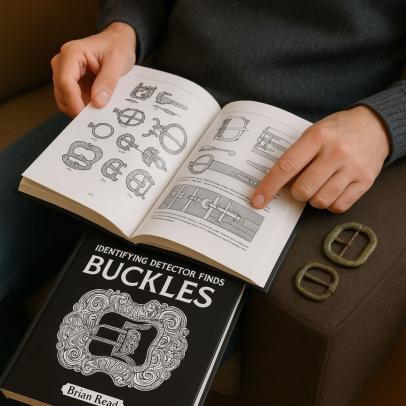
Identifying Detector Finds: Buckles – by Brian Read
4.7 out of 5 ⭐️ on Amazon
A Must-Have Book for Every Metal Detectorist and Archaeologist!
Following the huge success of his 2020 book Identifying Detector Finds, Brian Read returns with another essential reference book dedicated to one of the most common metal detecting finds: Buckles.
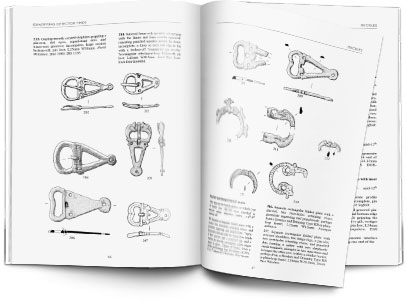
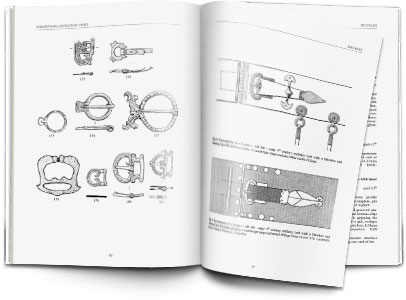
This beautifully produced hardback edition spans over 340 pages and showcases 1,775 individual buckles, ranging from Roman times to the Post-medieval period.
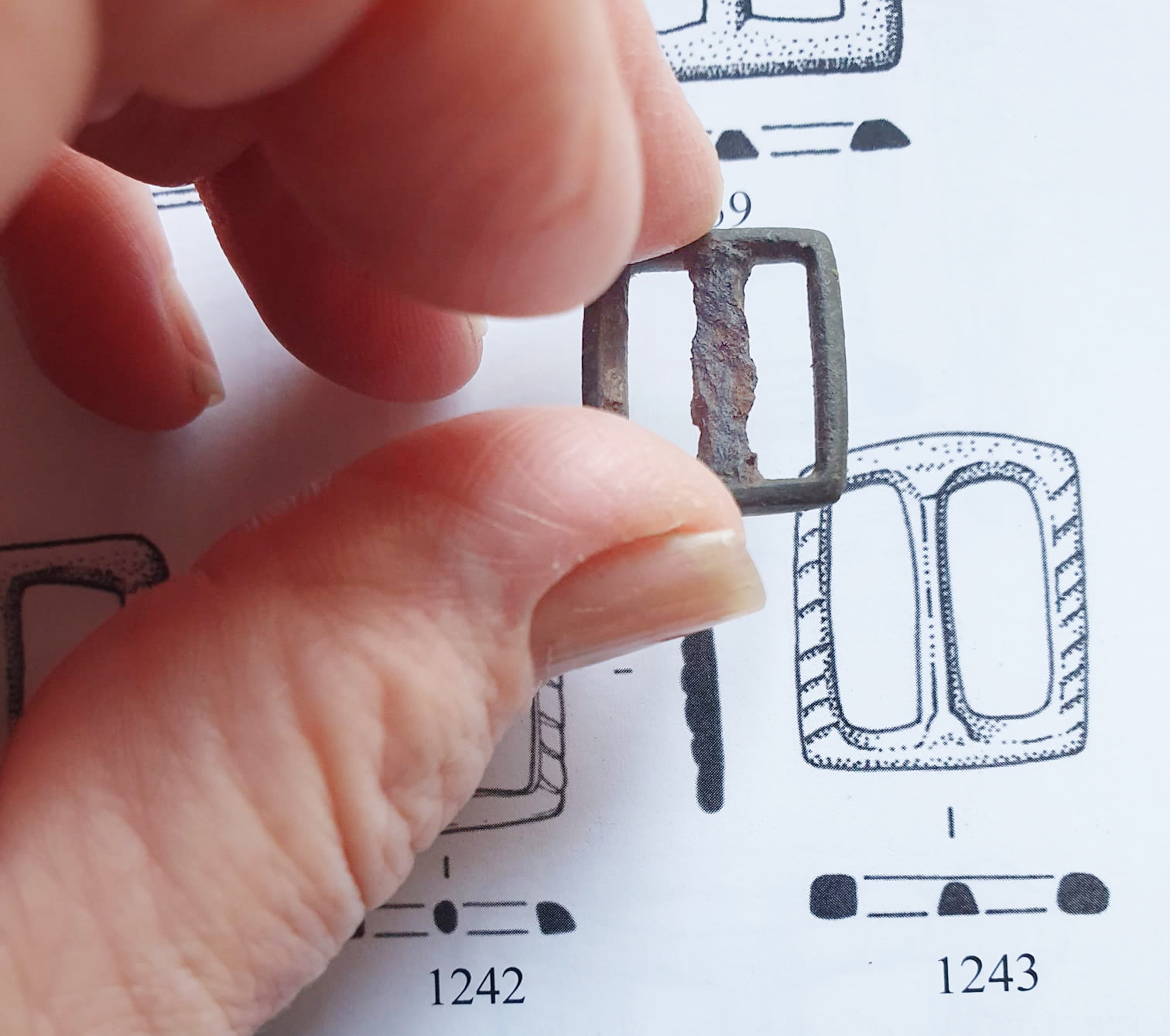
Perfect for metal detectorists, archaeologists and history enthusiasts, this comprehensive guide offers expert descriptions alongside clear archaeological line drawings that capture the intricate details and craftsmanship of these fascinating artefacts and make identification easy and enjoyable.
If you’re looking to identify, date, or simply admire ancient buckles, this book is an essential addition to your collection.
A4 Hardback, 344 pages, £27.95, UK P&P Free
ISBN: 9781897738412
A review by Nick Toczek:
After coins and buttons, the objects most commonly found by detectorists are buckles, but most of us know very little about these varied and interesting items. I was surprised to learn that buckles were first introduced into Britain by the Romans, but were not widely adopted until after the arrival of the Saxons in the fifth century.
This encyclopaedic book is an essential reference source for all of us. The product of years of research, Identifying Detector Finds - Buckles is the latest addition to Greenlight Publishing's extensive catalogue of metal detecting titles. It’s a meticulously detailed A4 hardback book spanning 344 pages with 1775 precisely detailed drawings. Using records of buckles found in Britain, mostly by detectorists and archaeologists, Brian chronicles the evolution of buckles from the first century through to the nineteenth century. Brian guides us through the entire history of buckles, including their shapes, styles, manufacture, and uses, up to and including the nineteenth century.
Using this unique book, you’ll be able to reasonably accurately date and identify virtually every pre-twentieth-century buckle you’ve ever found. If, like me, you’ve kept all the buckles you’ve found but made little effort to identify or classify them, you can now rectify that problem – since receiving this book to review, I’ve been going through my big boxful of dug-up buckles, sorting the old from the newer, and carefully categorising the best of the oldest ones. Add this book to your library, and you’ll be doing the same.
Everyone likes to find a buckle but, without access to identifying data, they’re not prized like coins or other interesting artefacts. This book gives us all the chance to change that. Now we can bring home our buckles and come to know these fine finds for what they actually are, and that’s what real detecting is all about.